In the 2026 winter vacation, the School of Physics and Optoelectronic Engineering, integrating its disciplinary characteristics with students’ development needs, guided students to enhance their capabilities and serve society through practice. Centered on the core orientations of “professional empowerment, ideological and political soul-casting, science popularization for education assistance, and serving the hometown,” various social practice activities were carried out.
The broad mass of young students, acting nearby and conveniently according to local conditions, conducted social practice in their hometowns through a combination of online and offline methods. During practice, they consolidated their professional knowledge, refined their comprehensive abilities, and cultivated a deep sense of devotion to family and country, producing a series of practice outcomes.
Sci-Tech Innovation Builds the Foundation and Empowers; Intelligent Manufacturing Forges Dreams for the Future
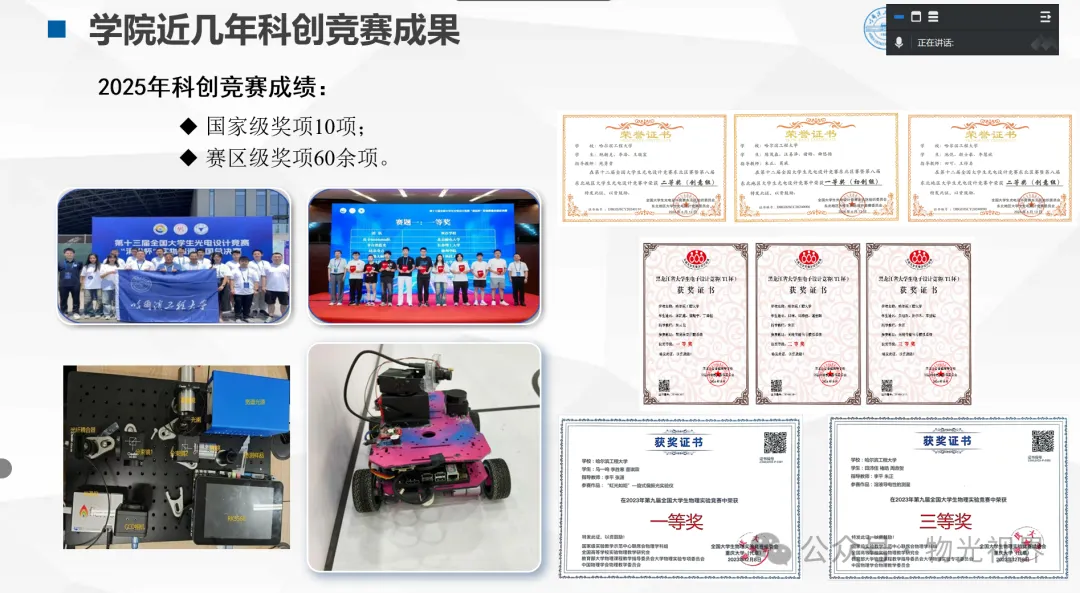
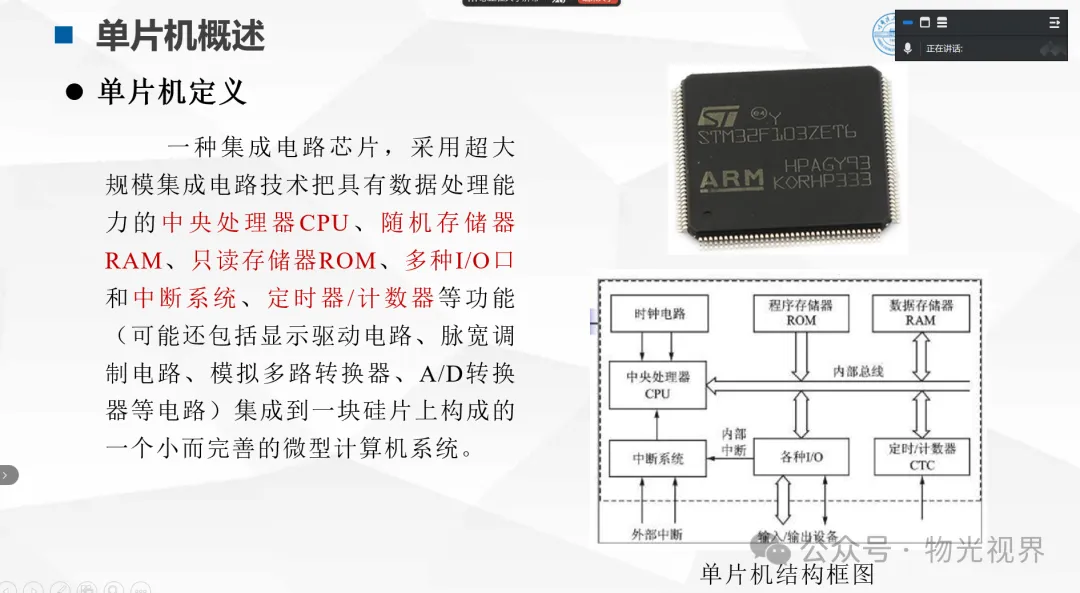
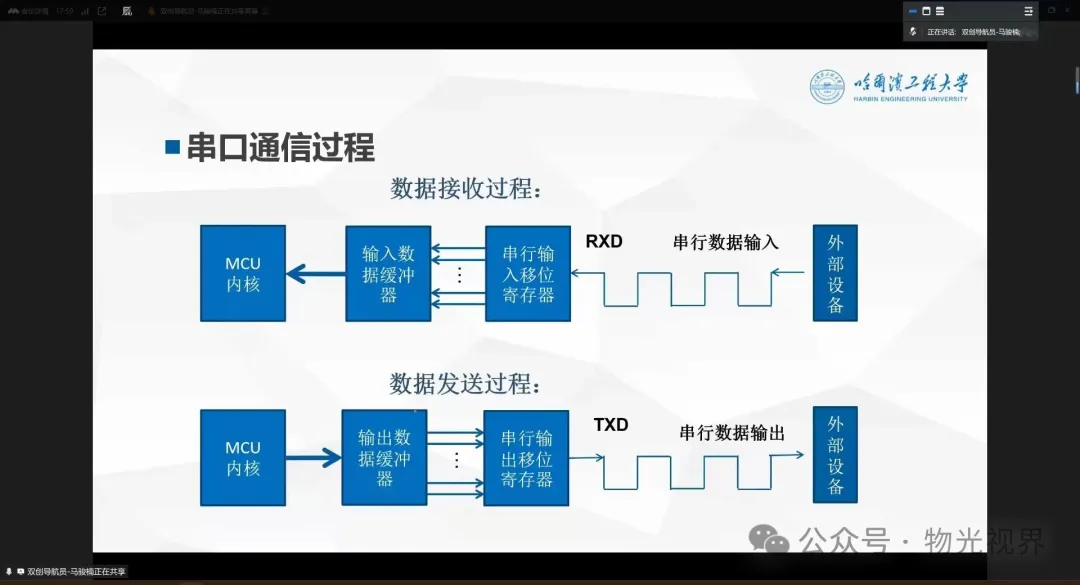
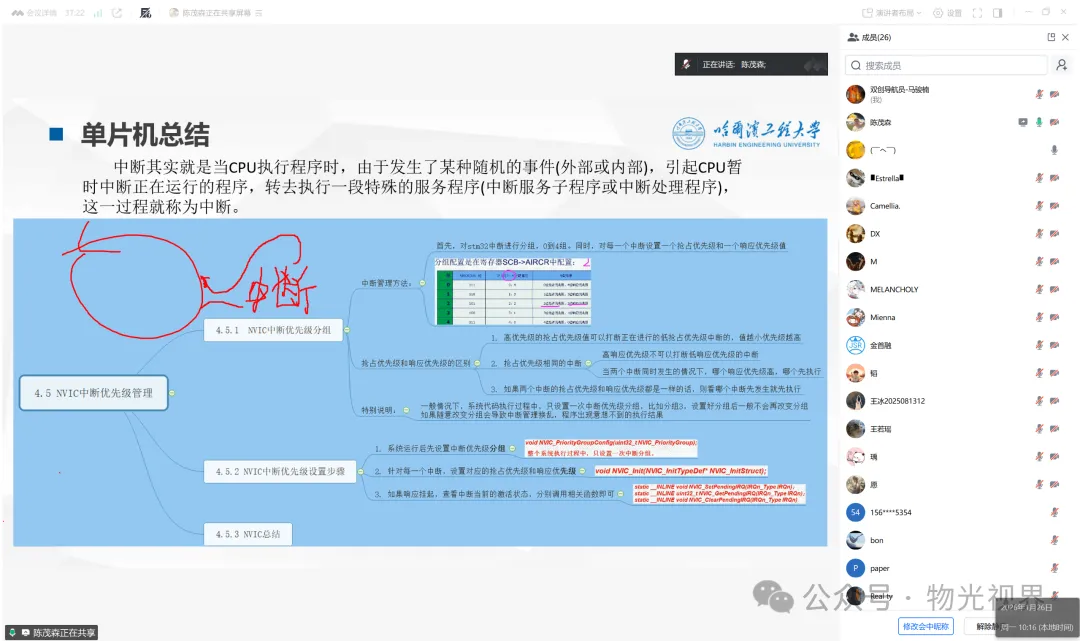
To enhance the sci-tech innovation capabilities of junior students and prepare for high-level disciplinary competitions, the College Youth League Committee invited the 407 Science and Technology Innovation Laboratory to launch a series of online courses titled “Introduction to Microcontroller Technology and Sci-Tech Innovation Practice” for first- and second-year undergraduates. Seven master’s and doctoral innovation-and-entrepreneurship mentors — Ma Junnan, Li Boyu, Chen Maosen, Liu Songze, Li Zemin, Li Hao, and Zheng Xujie — served as lecturers, delivering a total of seven online sessions covering one competition orientation, three specialized lectures, and three hands-on practice sessions.
Centered on the STM32 microcontroller platform, this course series focused on the College’s key competitions, application cases of microcontrollers in contests, essential microcontroller knowledge, operation skills, and display demonstrations. Through the mentor-apprentice experience-sharing model of the “senior student mentorship system,” the courses helped students overcome their apprehension toward embedded development and sci-tech innovation competitions, enabling them to effectively master key technologies and project development processes, and facilitating their transformation from textbook learners to project practitioners. This laid a solid engineering practice foundation for subsequent participation in high-level competitions such as the National University Student Optoelectronic Design Competition and the National University Student Electronic Design Competition.
Tracing Footsteps, Revisiting Memories, and Exploring History – Forging the Soul and Passing the Torch Through the Lens
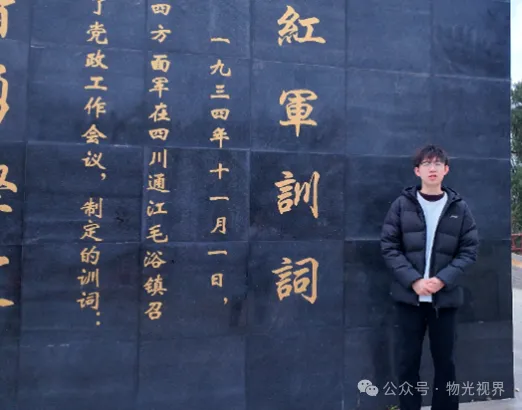
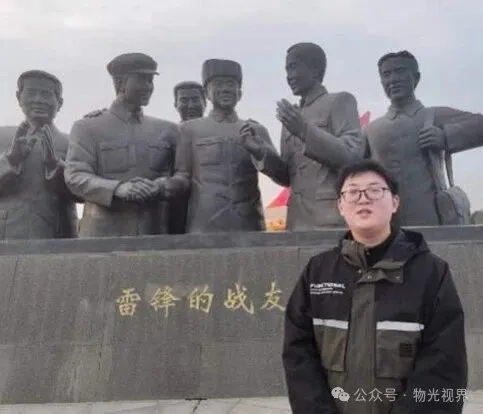
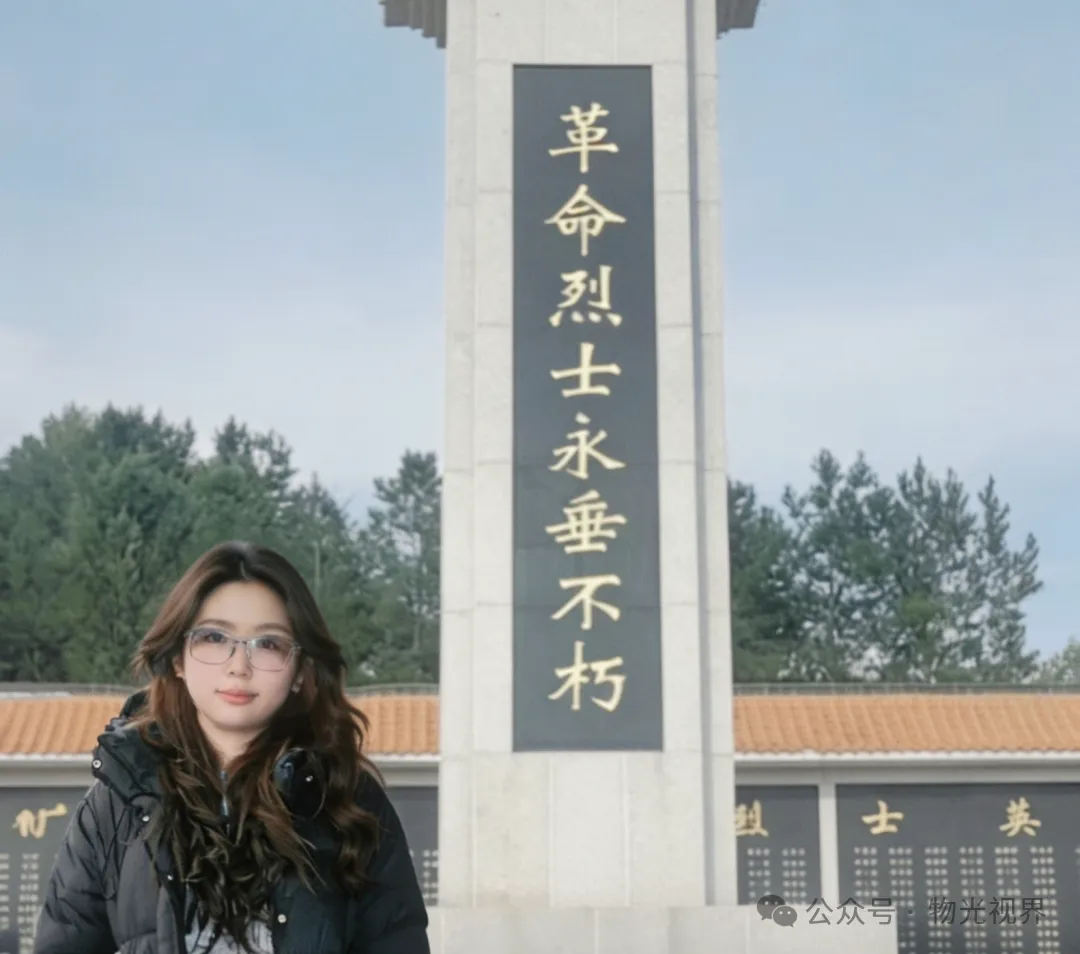
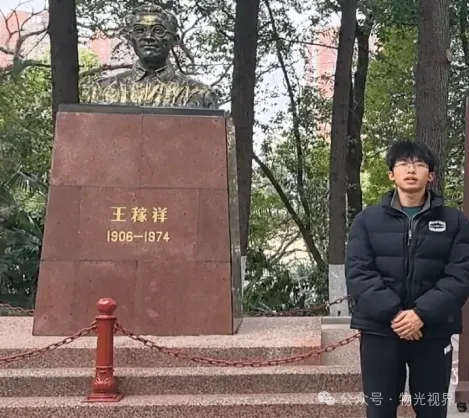
The College actively organized the winter vacation themed works collection activity “Tracing · History Seeking · Soul Forging — Capturing History Through the Lens.” College practice teams traveled to places including Bazhong in Sichuan, Chifeng in Inner Mongolia, Harbin in Heilongjiang, Wuhu in Anhui, Dengzhou in Henan, and Xiaozhan in Tianjin to carry out various thematic field study and on-site exploration activities. Through these immersive research and practice activities, students deeply grasped the spirit of serving the nation and consolidated the foundation of their ideals and convictions.
Xie Zongrui, Deputy Secretary of the College Youth League Committee, engaged in a spiritual dialogue with historical greats among the Generals’ and Marshals’ Stele Forest, drawing inexhaustible strength of conviction. Yu Da, a 2024 undergraduate, visited the Exhibition Hall of the “Unofficial Lei Feng Regiment” and felt the legacy of Lei Feng’s spirit being passed on in China’s First Lei Feng City. Bao Jinzhu, a 2025 undergraduate, promoted her hometown’s red brand through digital means at a red education base in Chifeng, Inner Mongolia, and carried forward the spirit of Guo Junqing — the nation’s only female special-class combat hero and the “Modern Hua Mulan.” Zhang Xun, a 2025 undergraduate, visited the Wang Jiaxiang Memorial Park in Wuhu for red-themed field study, gaining a deep understanding of the revolutionary forebear’s life story and revolutionary contributions, thereby receiving a profound red-spirit baptism.
Science Popularization in Schools to Inspire Minds; The Children’s Hearts Illumination Project
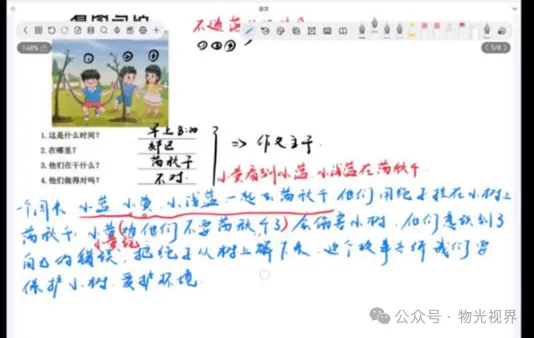
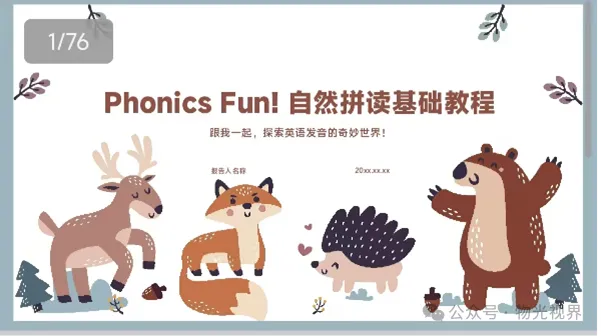
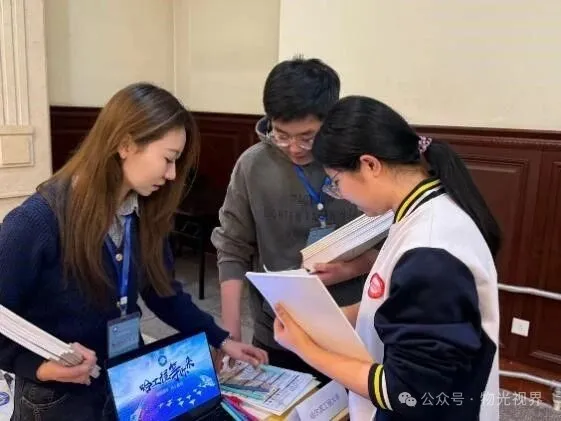
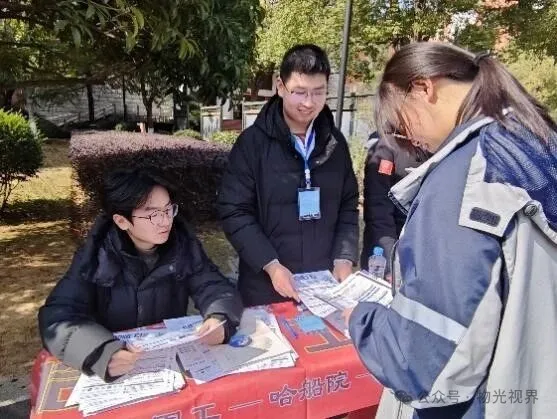
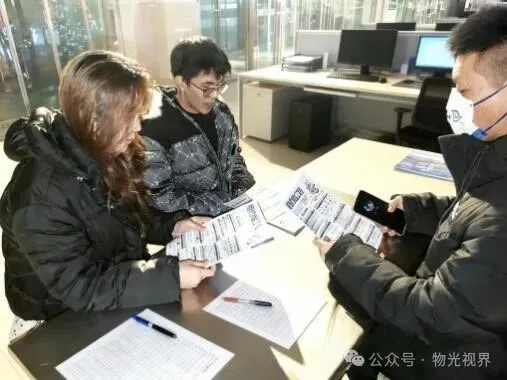
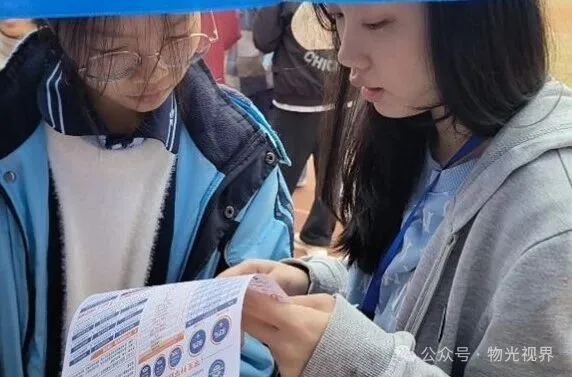
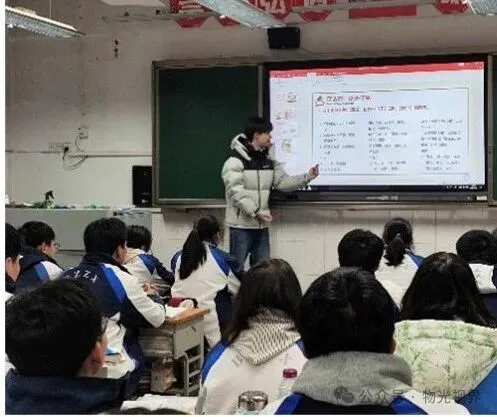
The College deeply integrated professional science popularization, academic assistance, and student recruitment and talent attraction. Actively responding to the university’s “Teachers and Students High School Tour” and “Class Assistance One-on-One” programs, it coordinated 12 practice teams and 3 undergraduate League branches to go deep into primary and secondary schools in areas such as Nanchang in Jiangxi, Nanning in Guangxi, and Chifeng in Inner Mongolia. These efforts precisely met the tutoring needs for core curricula, reinforced the ideal and conviction of strengthening the military and serving the nation, and helped the university attract top-tier prospective students.
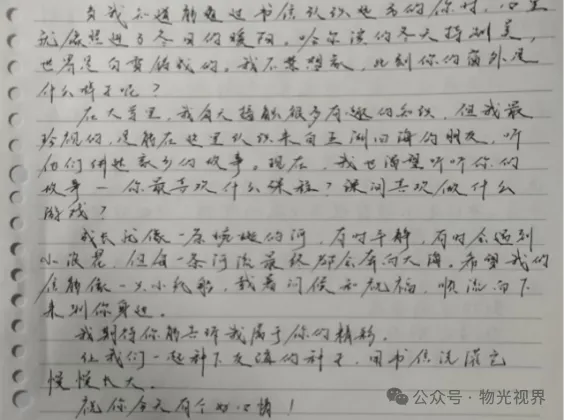
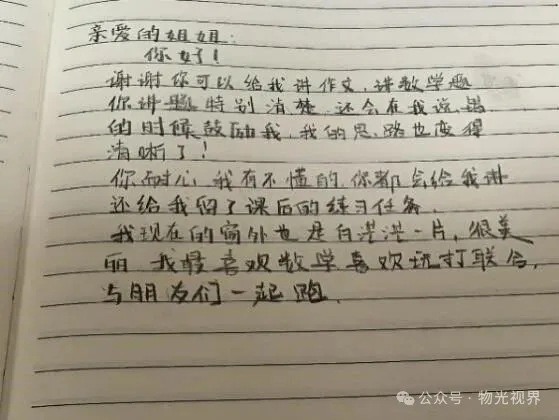
Through various initiatives such as knowledge-point breakdowns, fun interactions, exercise consolidation, and letter exchanges, the Class Assistance teams established deep friendships with the children. This not only solidified the children’s academic foundations but also realized a profound elevation from “academic tutoring” to “spiritual companionship,” accumulating valuable experience for subsequent science popularization and outreach.
Du Quanyu, head of the team at Harbin No. 1 High School, covered over a thousand teachers and students through a dual mode of “online livestream + offline presentations” and used animated scientific research achievements to achieve disciplinary “visualization.” Gong Jiajun, head of the Nanchang Middle School outreach team in Jiangxi, precisely analyzed admission data for target classes, effectively filling the information gap about a university characterized by shipbuilding, marine engineering, and nuclear science among inland students. Lu Yiming, head of the outreach team at the Qingshan Campus of Nanning No. 3 High School in Guangxi, centered on the theme “Ship-Inheriting the Future,” with concentrated presentations covering nearly 300 students, and the “My First Year of University” story-sharing session evoked emotional resonance. Bao Jinzhu, head of the outreach team at Chifeng No. 2 High School in Inner Mongolia, conveyed the university’s engineering characteristics to about 500 senior high school students and set up WeChat exchange groups to continuously answer questions on exam preparation and application, allowing the “Engineering Warmth” to endure.
Rooted in Community Practice, Serving the Hometown with Dedication
The College encouraged its young students to go deep into grassroots frontlines such as villages and communities. Physics students traveled to places including Shanxi, Sichuan, and Heilongjiang, and, through applying for grassroots government internship positions under the “Chuang Qingchun” (Create Youth) program, went deep into the frontline of government affairs, systematically understanding social conditions and public opinion, and profoundly serving the development of their hometowns.
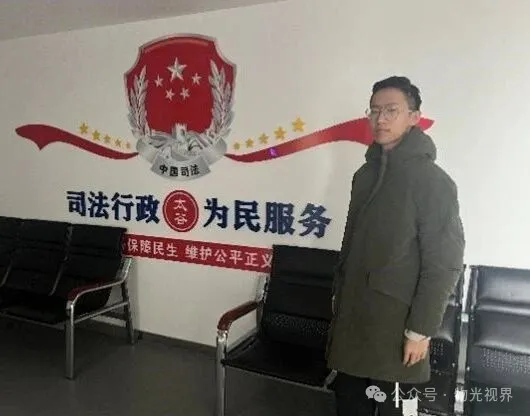
Zhang Jingchao, a 2025 undergraduate, undertook a 40-day intensive internship at the Justice Bureau of Taigu District, Jinzhong City, Shanxi Province. By deeply participating in public legal education campaigns and case file collation, he put forward professional optimization suggestions for the construction of grassroots legal education teams. Xie Zongrui, a 2023 undergraduate, launched a “Legal Science Popularization” special campaign at a government internship post in Bazhong City, Sichuan Province. By independently developing posters and legal education classrooms, she applied her professional knowledge to legal practice, serving over a hundred people cumulatively and reaching nearly a thousand through public education. Jiang Yuhang, a 2024 undergraduate, conducted a refined management survey at a community governance post in Yichun City, Heilongjiang Province. A “micro-renewal” scheme she proposed for the winter spatial governance of marginalized communities has been submitted to local authorities for reference, contributing “Engineering Wisdom” to the development of Heilongjiang.
The 2026 Winter Vacation Social Practice Series of the School of Physics and Optoelectronic Engineering organically integrated sci-tech innovation training, red-themed field study, science popularization presentations, and government affairs practice. It profoundly expanded the practical teaching system of the “Grand Ideological and Political Course” and constructed a closed-loop education model of “learning, thinking, practicing, and realizing.” Actively responding to the university’s special initiatives such as “Teachers and Students High School Tour” and “Class Assistance One-on-One,” it transformed the advantages of the discipline into kinetic energy for science popularization services, and turned the “intangible principles” of classroom education into “tangible actions” rooted in the land. By tracing red memories, retracing historical footprints, conducting field visits and investigations, and going deep into the frontline of government affairs, it achieved a positive coupling between professional logic and social needs, significantly enhancing students’ sense of industry identity and their sense of mission for the era.
In the future, the College will further improve a long-term social practice mechanism characterized by “university-community collaboration, demand matching, and outcome tracking.” It will guide the broad mass of young people to “receive education, develop skills, and make contributions” in the classroom of society, align their personal development coordinates with the overall development of the nation, and contribute their youthful strength to achieving greater self-reliance and strength in high-level science and technology.